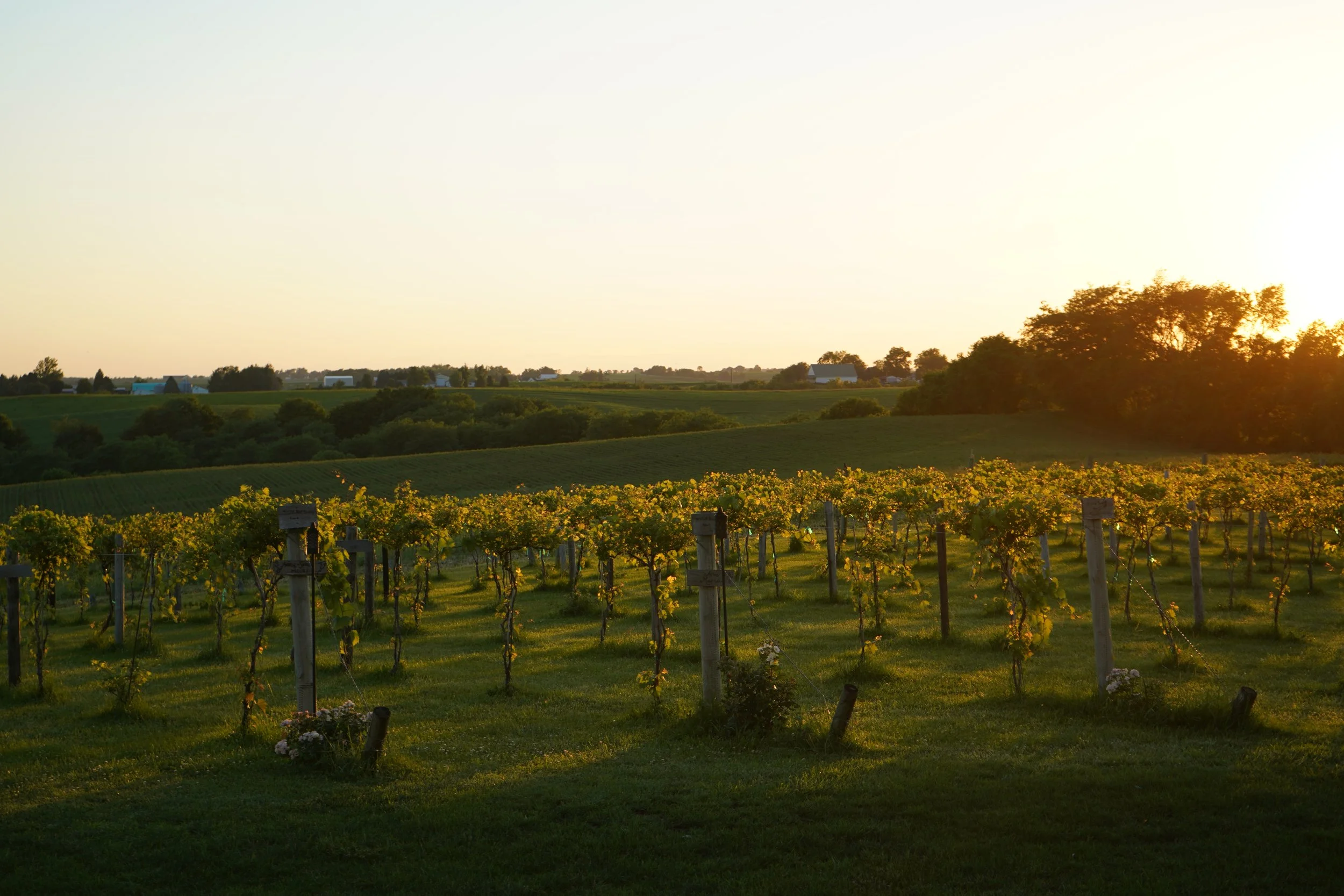
The Vineyard
The vineyard is where agriculture, science, history, and patience come together.
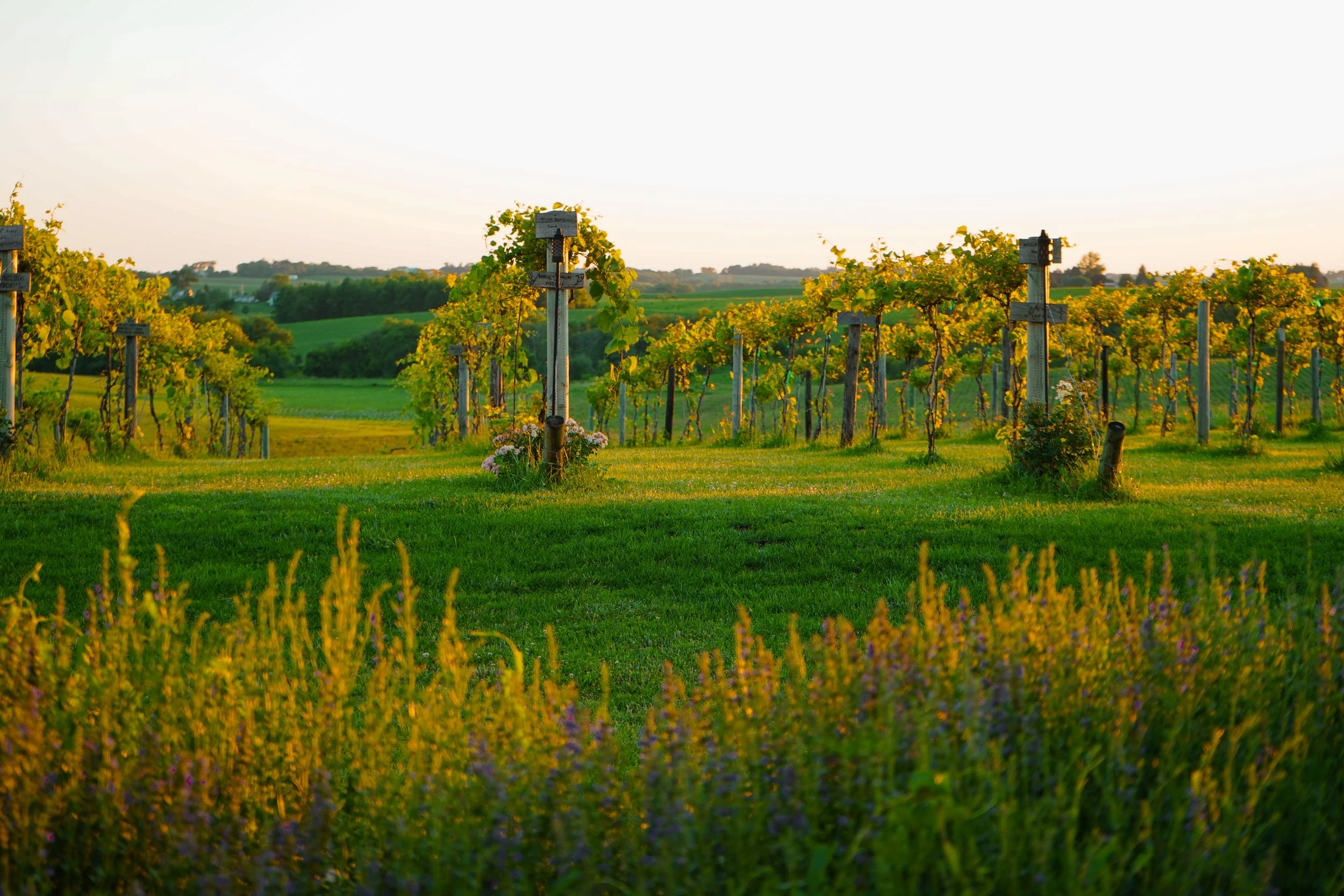
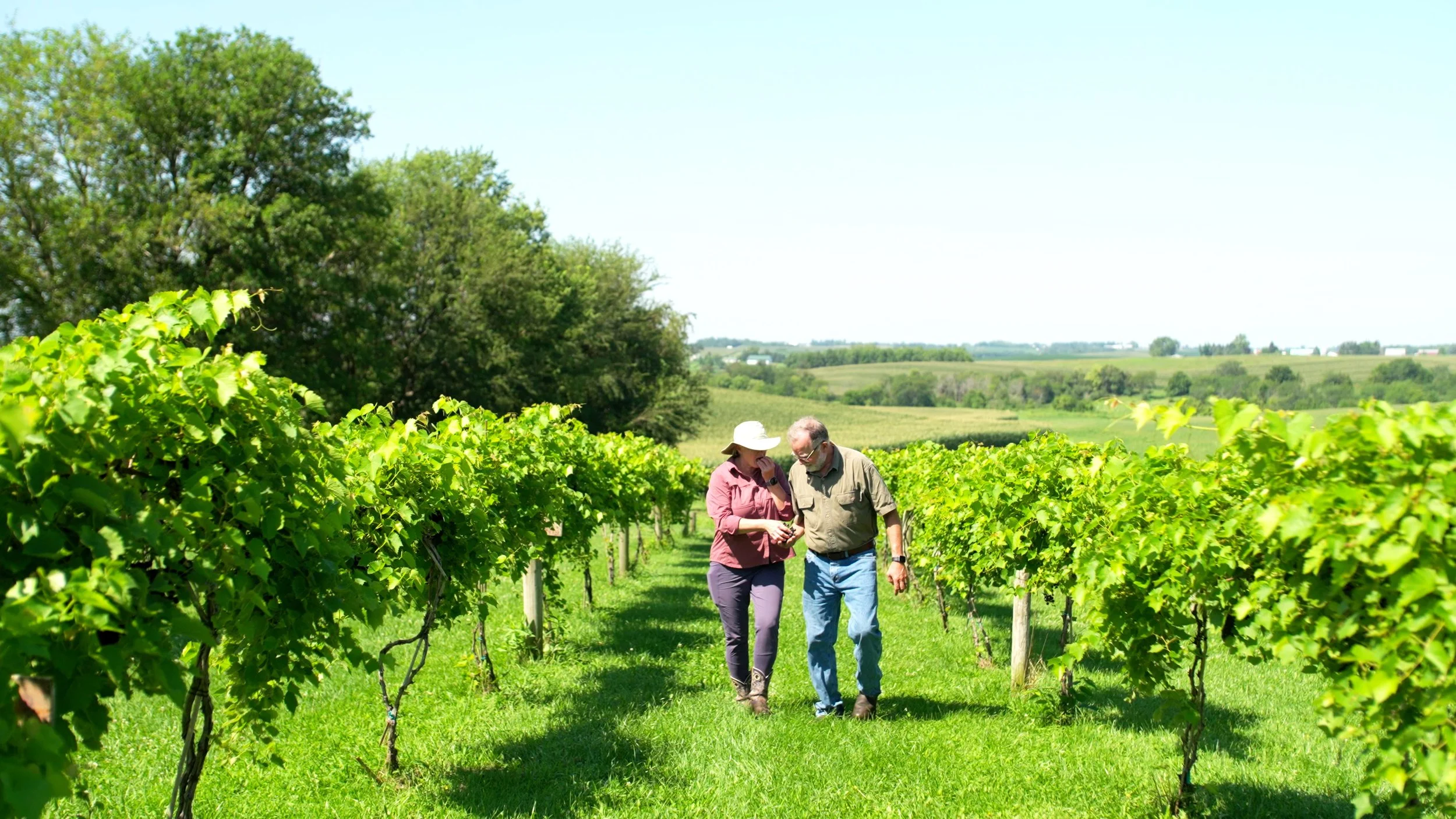
Our vineyard story began on this property in 2012, when the first Marquette vines were planted on the original five acres. When Walker Homestead began taking shape, we continued that story, expanding to purchase 80 more acres and plant the vineyard you see behind the venue in 2017 with forty additional rows of cold-hardy red wine grapes—the first twenty rows planted in Verona and the last twenty in Petite Pearl.
Grapes Made for the Midwest
Growing wine grapes in Iowa is very different from growing grapes in California, France, or Italy. Our vines must survive freezing winters, humid summers, unpredictable spring frosts, and everything else an Iowa growing season can deliver. The varieties you see here are part of an extraordinary story of grape breeders developing vines specifically for northern climates.
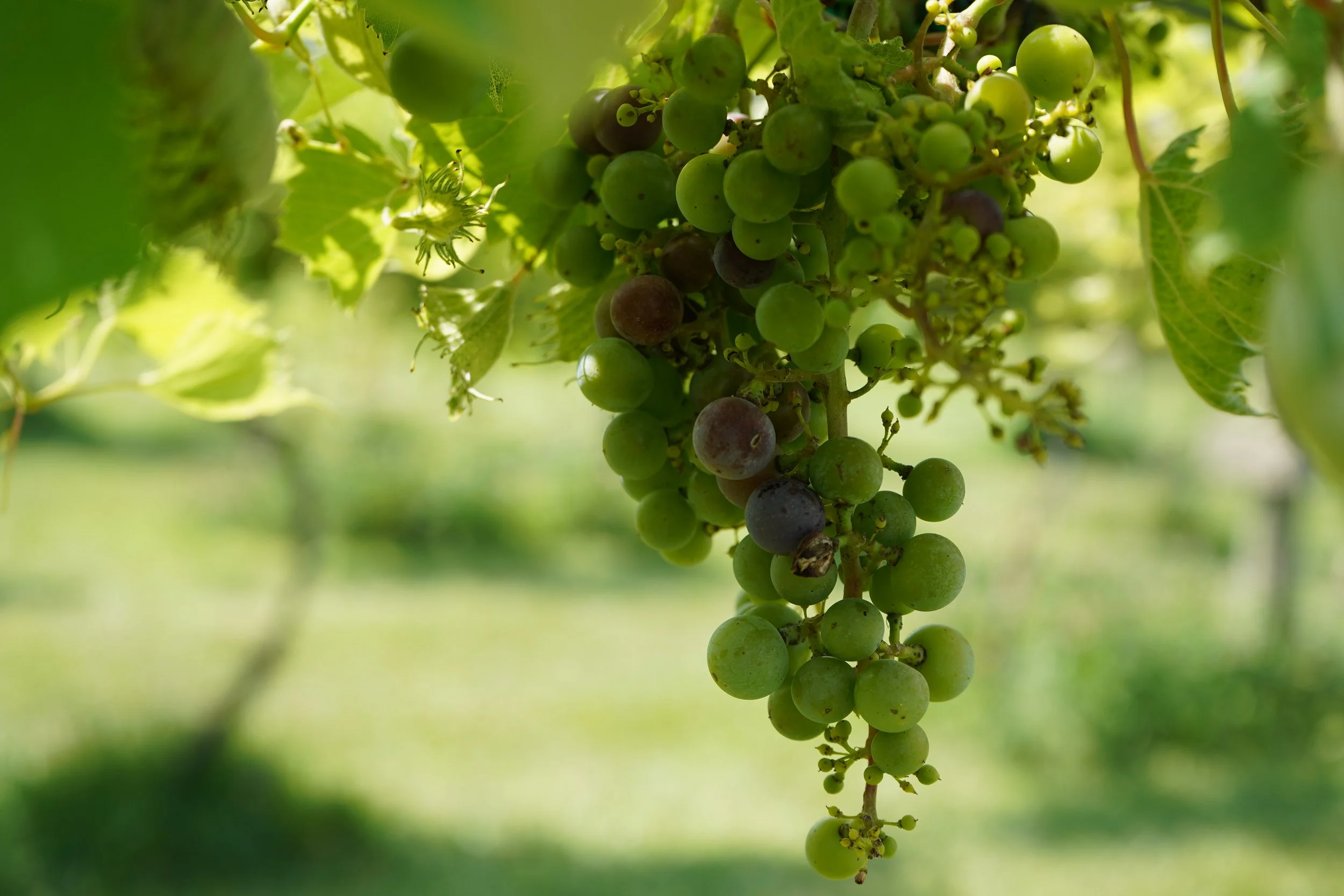
Marquette was developed by the University of Minnesota and introduced in 2006. A descendant of Pinot Noir, it was bred to combine exceptional cold hardiness with the qualities needed to produce beautiful red wine. Marquette produces wines with notes of cherry, berry, spice, and sometimes earthy complexity.
Petite Pearl was developed by independent Minnesota grape breeder Tom Plocher and released in 2009. He spent years crossing varieties in search of grapes capable of surviving northern winters while producing sophisticated wines. Petite Pearl develops deep color, moderate tannins, and dark fruit and spice characteristics that make it particularly well suited for dry red wines and aging.
Verona was also developed by Tom Plocher as part of his work creating cold-climate wine grapes for northern growers. Released commercially in the 2010s, Verona combines winter hardiness with excellent color, structure, and rich fruit character, making it another exciting grape for Midwest red wines.
Animals in the Vineyard
Look down between the vines and you'll notice something else—the vineyard floor is alive.
Rather than leaving bare soil, we maintain a clover-based cover crop between the rows. Clover helps protect the soil from erosion, retains moisture, supports beneficial insects and pollinators, and, as a legume, helps naturally return nitrogen to the soil.
It also makes excellent pasture.
At different times during the growing season, our sheep and goats graze between the vineyard rows, turning the vineyard into part of the farm's rotational grazing system. They naturally manage grasses and weeds while returning nutrients to the soil through manure.
Using grazing animals in vineyards isn't new. Farmers have integrated livestock and vineyards for centuries. Today, the practice is finding renewed interest as vineyards look for ways to reduce mowing, improve soil health, and farm more sustainably.
Growing Toward White Wine
In 2022, we expanded the vineyard again, this time toward the front of the property and with a focus on white wine grapes.
Along the parking area you'll find Frontenac Gris, while the front vineyard is planted with Brianna and La Crescent.
Frontenac Gris is a color mutation of the University of Minnesota's Frontenac grape. Its grayish-pink fruit produces white and amber-toned wines with wonderful fruit character and is exceptionally well adapted to northern winters.
Brianna was developed by legendary Wisconsin-born grape breeder Elmer Swenson, whose pioneering work helped make modern cold-climate viticulture possible. Brianna produces highly aromatic wines often showing notes of pineapple, tropical fruit, citrus, and flowers.
La Crescent was developed by the University of Minnesota and introduced in 2002. With Muscat ancestry in its family tree, it is intensely aromatic, producing wines with beautiful notes of apricot, peach, citrus, and tropical fruit. Its character is sometimes reminiscent of Riesling or Gewürztraminer.
From This Soil to Your Glass
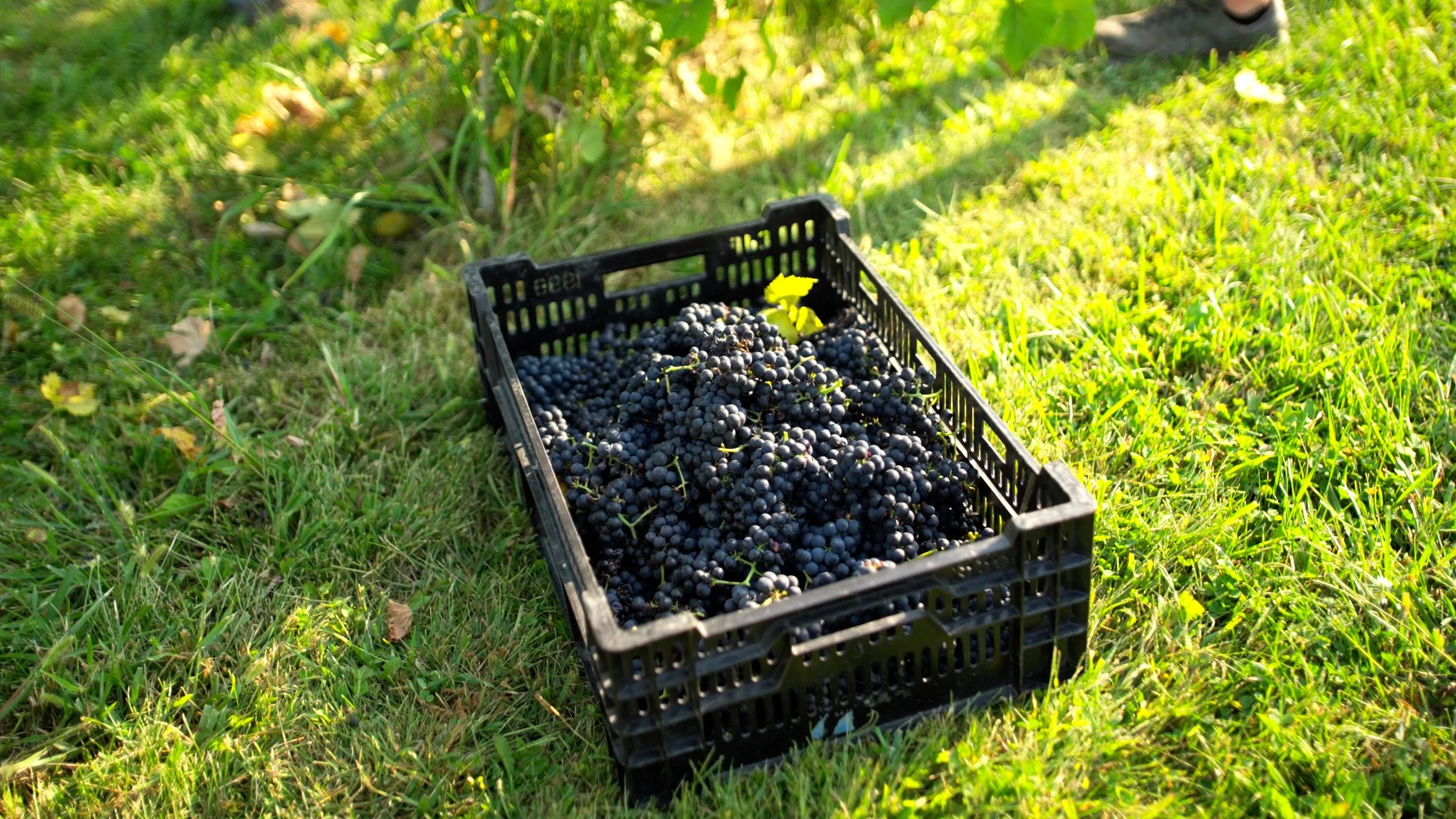
Today, Marquette, Verona, Petite Pearl, Frontenac Gris, Brianna, and La Crescent make up the cold-climate grapes we harvest for wines produced here on the farm.
Together, they tell a uniquely Midwestern story.
These aren't grapes struggling to imitate what grows somewhere else. They are grapes bred to belong here—to survive our winters, flourish through our summers, and express something distinctive about this place.
And unlike an annual crop that begins again each spring, grapevines become part of the landscape. Their roots deepen year after year, responding to the soil, rainfall, sunshine, temperature, and changing seasons around them.
Every harvest is a little different. And ultimately, every bottle becomes a record of that particular year.
So as you walk between the rows, look closely. The wine you may enjoy later in your glass begins right here—with Iowa soil, Midwest ingenuity, patient farming, and these vines.